












Fuel prices rise from midnight Tuesday 3 March breaking the recent downward trend
South African motorists and energy consumers will unfortunately face increases at the pump and on paraffin and LPG prices from midnight, Tuesday 3 March 2026, following the latest monthly fuel price adjustment announced by the Department of Mineral and Petroleum Resources.
The adjustment reflects a combination of global oil market pressures and local currency conditions, which together have pushed up the cost of petroleum products over the fuel pricing review period.
The following changes will take effect across the country:
- Petrol (93 and 95 ULP & LRP): increase of 20 cents per litre.
- Diesel (0.05% sulphur): increase of 62 cents per litre.
- Diesel (0.005% sulphur): increase of 65 cents per litre.
- Illuminating paraffin (wholesale): increase of 44 cents per litre.
- Illuminating paraffin SMNRP: increase of 58 cents per litre.
- Liquefied petroleum gas (LPG): maximum retail price up by 23 cents per kilogram.
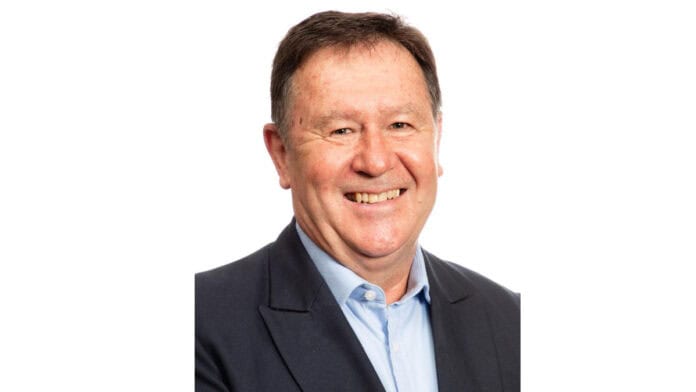
“These adjustments underscore the ongoing volatility in international crude markets and the impact of global geopolitical developments on fuel costs,” said Henry van der Merwe, Chairman of the South African Petroleum Retailers Association (SAPRA).
“The conflict-related risk premium on crude oil and other supply-side pressures have seen crude benchmarks move significantly higher during the period under review, adding upward pressure to local fuel prices.”
Van der Merwe added that while the rand showed some resilience against the US dollar, offsetting some cost pressures, it wasn’t sufficient to counter the strong influence of rising crude and refined product prices.
The monthly fuel price review, conducted by the Department of Mineral Resources and Energy, takes into account a range of factors including international crude and petroleum product prices, exchange rate movements, transport costs, and local product slate balances – with the latter helping determine under- or over-recoveries in the basic fuel price structure.
Van der Merwe says since geopolitical tensions escalated over the weekend and the Strait of Hormuz closed, the future is looking uncertain.
The passage in the Middle East handles at least 20% of global oil supply.
“The hostilities have seen oil prices spike, signalling more price trouble for South African consumers, who must also brace next month for the impact of an increase in the general fuel levy and the Road Accident Fund levy, following the announcement in last weeks SA 2026 Budget,” concludes Van der Merwe.
