











Is Capex becoming a liability?
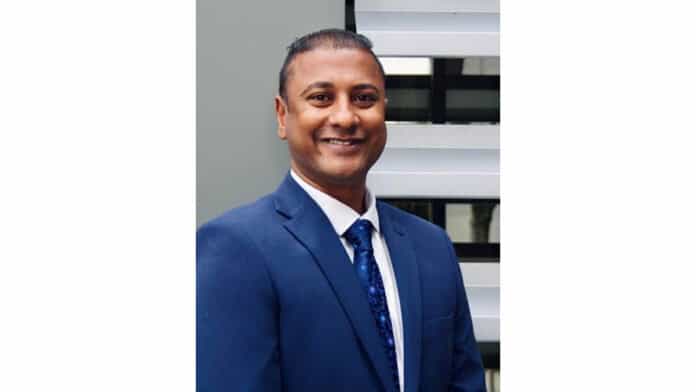
by Kuben Ramsamy, Head of Sales: HPIFS Africa
The global shift in technology manufacturing toward AI and hyperscale infrastructure is not a temporary disruption but a structural realignment, as highlighted by an IDC report.
As component supply tightens and device prices rise, organisations that rely on large upfront capital purchases are facing higher costs, longer lead times and unpredictable availability. In this climate, traditional Capex models risk locking businesses into inflated pricing and reduced flexibility at exactly the moment agility and financial control matter most.
Supply becomes erratic as lead times increase, stock becomes unavailable and solutions have to be adapted to meet organisational needs. This shift has resulted in increased laptop and desktop unit prices, forcing organisations to make difficult decisions about how to stretch the same budget across growing IT demands. Tightened purse strings should not mean compromised performance, security or user experience.
Instead of relying solely on traditional Capex, organisations can benefit from alternative financial models that hedge against price inflation and supply constraints. Flexible funding mechanisms allow businesses to access the technology they need without absorbing the full impact of upfront cost spikes.
One such mechanism is HP Integrated Financial Solutions, which provides practical financial alternatives for accessing HP technology. Whether organisations require the latest AI enabled HP devices or advanced security capabilities such as HP Wolf Security, the objective is to expand procurement choice rather than restrict it.
Through subsidised finance, flexible lease terms and integrated asset lifecycle services, HP Integrated Financial Solutions converts unpredictable capital expenditure into predictable operating costs. This helps organisations preserve liquidity, align refresh cycles with operational requirements and reduce exposure to component driven price volatility.
More importantly, this approach is not limited by financial profile. Whether an organisation is cash rich or committed to a conservative Capex structure, the goal is to work alongside existing HP channels to present customers with options, not ultimatums.
In a volatile component market where price and availability can change rapidly, the question is no longer ownership versus leasing as an ideological debate. The real question is which combination of funding models delivers continuity, control and long term value. Locking in device costs over a fixed term can offset price fluctuations and restore predictability to IT planning at a time when uncertainty has become the norm.