







Cape Town looks to private sector for organic waste processing as 2027 landfill ban nears
By Kris van der Bijl
AFTER CBN’s September 2026 edition reported that the City of Cape Town’s 2026/27 budget documents identify no new municipal facility to process commercial food waste, we can now confirm it plans no new organic waste processing facility in general.
In a response received after publication, The City’s Urban Waste Management Directorate told CBN that there is “currently no capital spend planned” for “any large organic waste processing facility”. It is therefore not just food waste left to fend for itself.
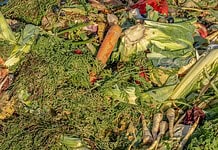
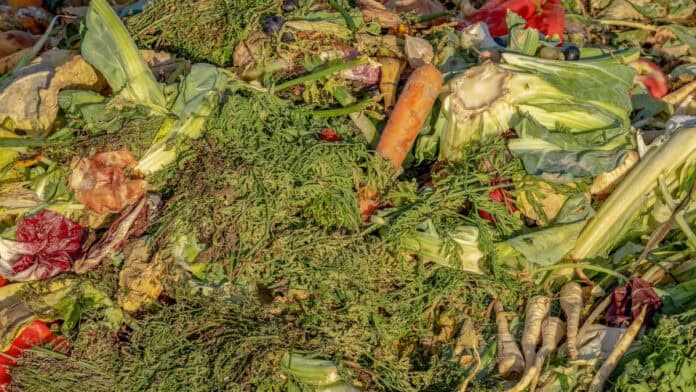
Food waste is part of organic waste, as is garden waste, wood waste, paper waste, sewage sludge, animal mortalities. and abattoir waste.
A Western Cape Government ban requires every municipality in the province to keep organic waste out of landfill by 2027 in accordance with an earlier announcement made back in 2018.
The Directorate said it expects organic waste processing capacity to be “primarily provided by the private sector in the short to medium term at least”. It described the City’s role as “regulation, accreditation, planning, facilitation, targeted municipal programmes and consideration of partnerships”.
The City’s own capacity is limited to its Bellville compost plant, which “represents only a small fraction of processing capacity requirements”.
Organic waste landfill ban
I asked how much organic waste large businesses must divert by 2027 and what processing capacity the City needs. The Directorate gave neither figure. It pointed to the City’s adopted Waste Strategy, which itself acknowledges that the 100% diversion target “is not achievable under current conditions”.
The Directorate said the province imposed its targets without a dedicated source of funding. It called organic waste infrastructure “extremely cost-intensive” and is leaving this gap for the private waste sector to fill.
Private composting capacity
Melanie Ludwig, who has been involved in organic waste management in Cape Town for the past 17 years, is concerned that although the organic waste landfill ban was announced in 2018 the City of Cape Town has not built any organic waste processing facilities to handle this waste.
“I was excited to see the ban driving waste generators, both residential and commercial, to separate organic waste at source and divert it from landfill. This would grow organic waste processing businesses and create compost, biogas and animal feed from this waste,” she said.
“Unfortunately, although there is one municipal composting facility and a few private organic waste processing companies, there is just not enough processing capacity to achieve the target. Although the City’s Urban Waste Management Directorate has run small pilot projects in diverting organic waste from landfill I have not seen real commitment from the municipality, in both budgets and staffing, to properly roll out organic waste separation across all waste generators in Cape Town in preparation for the ban.”
Ludwig said. “What is needed is more awareness amongst waste generators about the organic waste landfill ban and public-private partnerships where City owned land at landfills or waste water treatment works can be developed for organic waste processing which can then be run by private operators.”
Waste plan compliance
Waste generators must still submit integrated waste management plans to the City. The Directorate said compliance “is currently much lower than required”.
The City is aware some generators may hire collectors who are “not accredited with the City”, the Directorate said. This “creates a risk that waste reported as diverted may instead be improperly managed or disposed of”.