










Do you know what happens to your waste after you’ve disposed of it? If not, you’re not alone. The majority of people tend to toss everything into a single bin, a habit that significantly hinders the recycling process. One vital aspect of effective recycling management is waste separation, which plays a crucial role in enhancing recyclable quality and reducing municipal solid waste (MSW) volume.
In an ordinary trash bin, you’ll find all sorts of waste but have you ever wondered what happens to these unseparated wastes? Can they be recycled? The truth is that contaminated waste, such as paper smeared by a greasy plastic bag loses its value. Contaminated waste becomes difficult to recycle, as it becomes costlier, and requires more resources to process.
Once contaminated, waste items end up in a landfill, contributing to environmental degradation and resource wastage. Waste separation, whether it’s at home, the office, school or even festivals, is a key component in the effort to divert waste from landfills and maximise the recovery of recyclables.
Fibre Circle, an organisation committed to achieving zero waste-to-landfill, underscores the importance of waste separation at the source. “Our main mission here at Fibre Circle is zero waste-to-landfill, and to make that happen we encourage recycling as much waste as possible. One of the critical ways to achieve this is to separate waste so no recyclables are contaminated,” says a representative from the organisation.
Persuading people to separate their waste remains a challenge. However, the number of concerned citizens is on the rise, recognising that waste separation at the source is crucial on multiple fronts. It empowers individuals to connect with the products and packaging they consume while creating a more efficient system for recycling.
To ensure the maximum recovery of recyclables, here are some guidelines to follow:
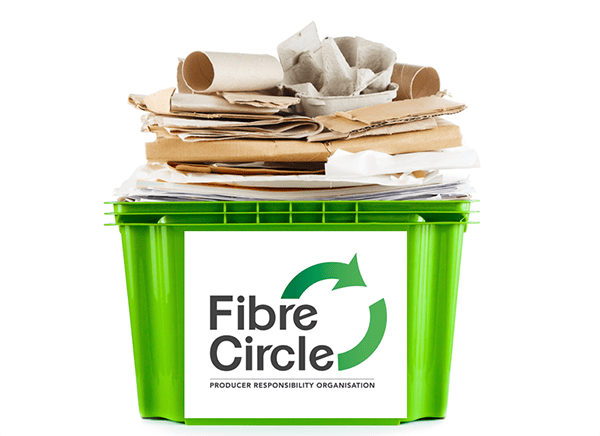
– These paper products are recyclable: cardboard boxes, food and beverage cartons, office papers, newspapers, magazines, books, catalogues, tissues, receipts, envelopes, paper bags, paper cups, and other paper-based waste.
– Remove straws, and plastic caps and rinse and flatten milk beverage cartons for easier sorting.
– Clean plastic water bottles by removing the cap, neck, and label to expedite the sorting process.
– Rinse plastic bags, cans, and glass whenever possible to prevent contamination.
– Absolutely NO food scraps should be mixed with recyclables.
By following these guidelines, we can all contribute to a more efficient recycling system, reduce landfill waste, and protect our environment. It’s not just about segregating trash; it’s about building a sustainable future for generations to come. It’s time to separate, not contaminate.