













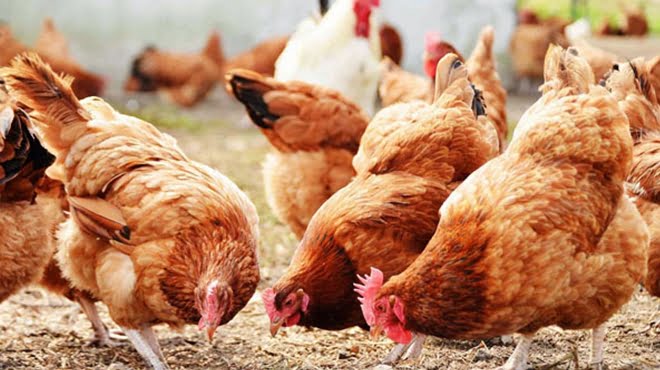
The outbreak of avian influenza in the Western Cape has led to the culling of more than 300 000 chickens in the past two months.
According to industry experts, the number of culled chickens will not necessarily result in a shortage of poultry or an increase in the price in the short term, but it can have ramifications in the long term.
New cases were detected on a poultry farm in the Paardeberg region in the Western Cape. The province’s department of agriculture reported on Monday that at least 30 000 chickens had died, while a further 110 000 have had to be culled, following the reports.
The national Department of Agriculture, Forestry and Fisheries said avian flu, which was first detected in Villiers in the Free State and Standerton in Mpumalanga, had already impacted on the industry. “All the affected farms have been placed under quarantine,” the department said.
Western Cape economic opportunities MEC Alan Winde said the affected farms had been quarantined. “Three ostrich farms are quarantined in the Heidelberg region, as well as one farm in the Paardeberg region. “And we are conducting tests, because it is contagious. We are also asking people to notify us if they are picking anything up,” he said.
Paul Makube, a senior agricultural economist at First National Bank, said the outbreak could force small poultry producers out of business. “The country has just come out of the drought, so the small players will not survive the avian flu, if it is not contained. This will lead to job losses and put a serious dent in the price of chicken in the long run,” Makube said.
He added that in the short term local demand could be met by imports, but this would result in local producers losing market share. Poultry producer Astral Foods reported last week that the outbreak had set the company back R50million since it was detected on its farms in June.
But South Africa is not the only country fighting the disease. The World Health Organisation has reported avian influenza in the US, Hong Kong, China and in some parts of Europe and Africa. “Unfortunately, the authorities cannot tell in advance where the next outbreak will occur. They can only try to contain it once the disease has been reported,” Makube said.
The KwaZulu-Natal chairperson of the National African Farmers Union said although the province had not recorded any new cases, it was important for small farmers to be given training on how to deal with the avian flu outbreak if it was detected on their farms.