












Expropriation of land without compensation “in a manner that increases agricultural production and improves food security” is impossible, says the Cape Chamber of Commerce and Industry.
“Farming has become capital intensive and without security of tenure, farmers will not be prepared to make the huge investments in modern irrigation systems and banks will not finance these projects while there is a threat of expropriation without compensation,” said Ms Janine Myburgh, President of the Chamber.
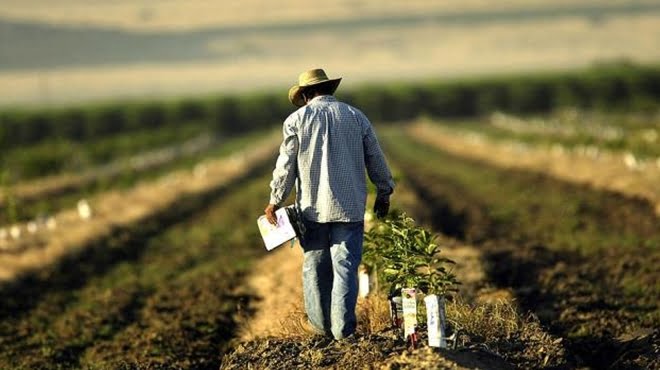
She said that it the last 20 years there had been massive investments in agriculture in areas like the Western Cape where exporting food, fruit and wine had become a major creator of jobs and essential part of the economy. As a result, the whole landscape of the province had changed.
Productive farms used drip or micro irrigation systems, plastic tunnels and even shade netting to protect orchards against hail and sunburn as well as to reduce evaporation losses. “All this costs a great deal of money but it has proved to be worthwhile and if we want productive farms to feed a growing population and our export markets we have to make sure that the investment continues.” Ms Myburgh said.
She pointed out that drip irrigation systems had made it possible to plant orchards on hillsides, something that was not possible with the old flood irrigation system. “Modern farmers have actually increased the amount of land for productive crops and this is what we must continue doing.”
Ms Myburgh said the EFF had spoken about a leasing system. It was an interesting idea but it was fraught with danger. “Who decides on the length of the leases and if they can be renewed or extended? Some official or a Minister? This process could be abused and that would undermine confidence and investment.”
She said it was also important to understand that investments in dams, orchards, were long-term investments with a long-payback period.
“So far nobody has mentioned the improvements, the dams, the packing sheds, the fences and the farm buildings? Will these also be subject to expropriation without compensation?”
The Chamber was a strong supporter of land redistribution, but there were better ways to do it. Sixty-two percent of these projects had been a success in the Western Cape, largely because of partnerships and support the new farmers had received. In the rest of the country land redistribution had been a disaster. “If we want success, then we have to build on the successes already achieved. What has been proved to work must always be a better model than what we think or hope will work,” Ms Myburgh said.