














Pump innovations at the centre of water security solutions
Darryl Macdougall, Managing Director, Verder Pumps South Africa
Untreated wastewater remains a major contributor to global water scarcity. UNEP estimates the untapped potential for wastewater reuse is around 320 billion m3 annually, more than 10 times current global desalination capacity. Achieving this potential depends on reliable treatment infrastructure – and at the centre of every wastewater treatment facility are robust pumping technologies.
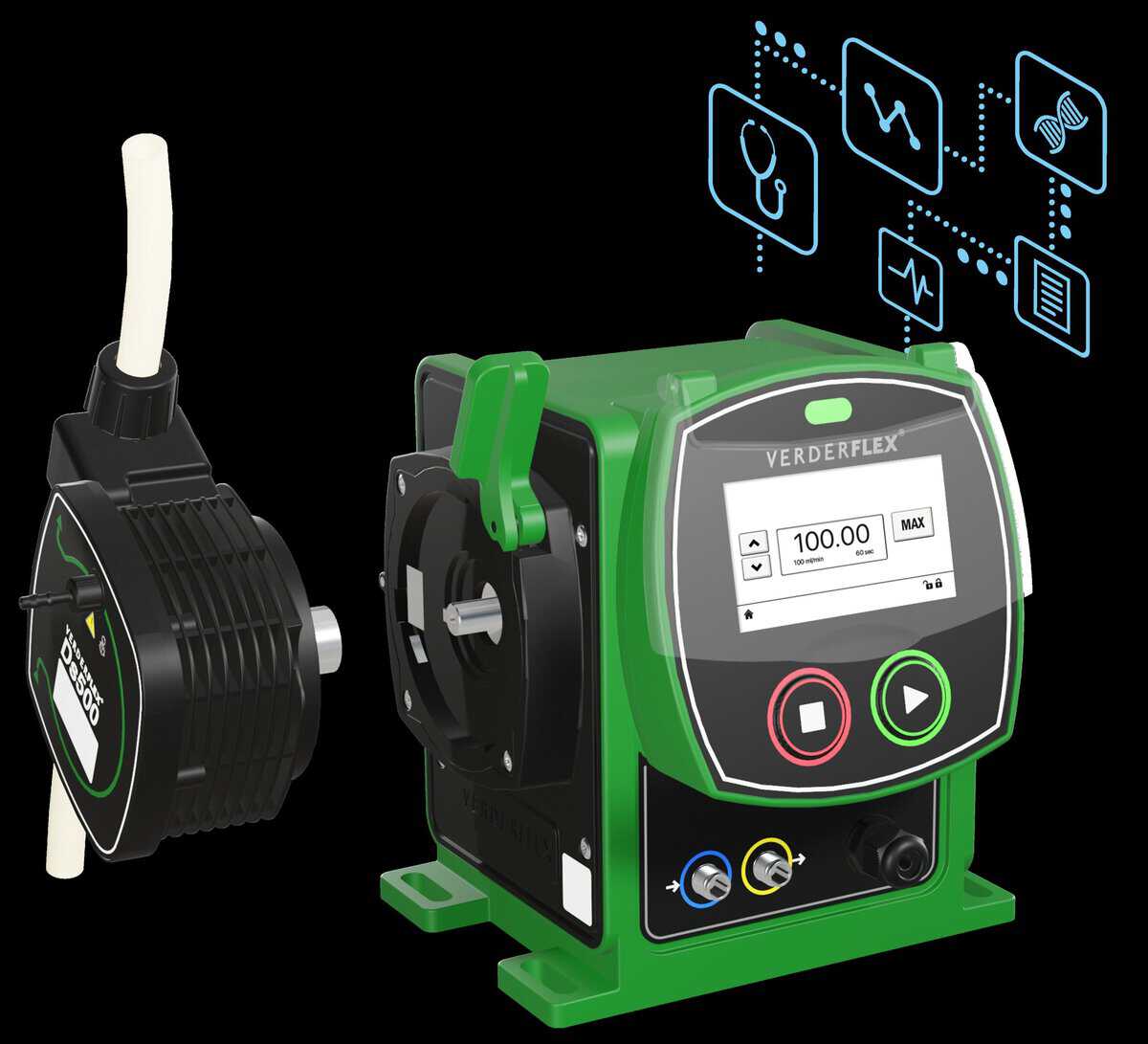
Precision dosing in treatment processes
Chemical dosing is fundamental across multiple stages of wastewater treatment. Coagulants, flocculants, pH correction chemicals and disinfectants must be accurately introduced to ensure efficient removal of contaminants and stable downstream processing.
During coagulation and flocculation, chemicals like ferric chloride, aluminum sulphate and polymer solutions are used to promote floc formation. Accurate metering pumps are essential, as underdosing reduces contaminant removal efficiency, while overdosing increases operating costs and sludge production.
Peristaltic dosing pumps offer particular advantages because the pumped chemical remains fully contained within the tube element, preventing contact with mechanical components. This makes them highly effective for aggressive chemicals like sodium hypochlorite, acids, caustic solutions and ferric salts. Models like the Verderflex Ds500 and Ds4F provide accurate dosing while accommodating applications ranging from viscous polymer dosing and lime slurry injection to chemical transfer within treatment plants.
Flexible solutions for diverse plant requirements
Wastewater treatment plants manage a wide range of chemicals and operating conditions, requiring dosing systems that offer both flexibility and precision.
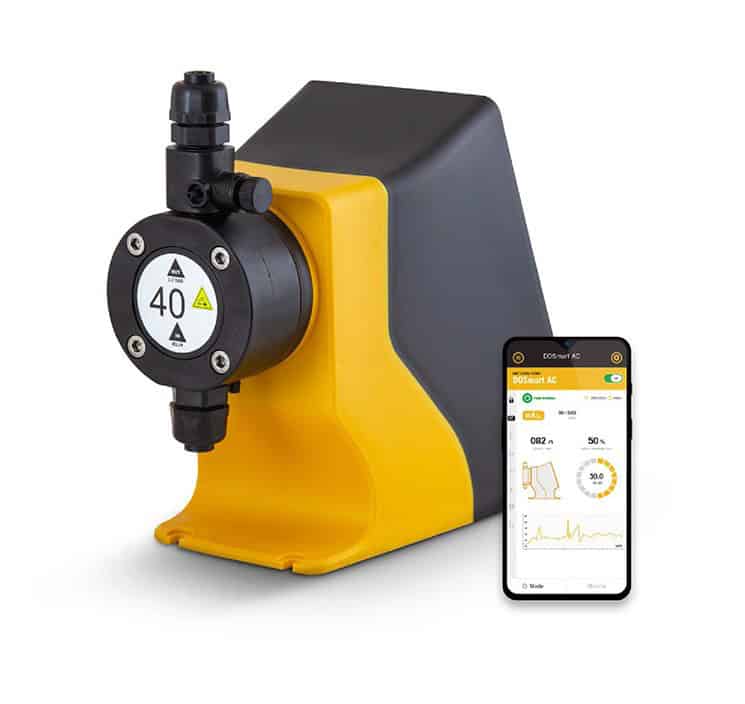
Pump ranges like Microdos and ITC incorporate electromagnetic diaphragm, peristaltic and motor-driven metering technologies for applications including coagulant dosing in clarification processes, polymer dosing for sludge thickening and dewatering, pH control using sodium hydroxide or sulphuric acid, nutrient dosing in biological treatment systems and disinfection dosing for final effluent treatment.
The ITC DOSmart series uses stepper motor technology to deliver high-precision chemical metering. With a turndown ratio of up to 1:3000, the pumps maintain accurate dosing across widely varying flow conditions typical of municipal treatment plants.
Strong suction capability enables accurate handling of viscous polymer solutions used in sludge treatment. With capacities up to 60 litres per hour, they support centrifuges, belt filter presses and dissolved air flotation systems.
Motor-driven metering pumps like the ITC Dostec AC series – offering both diaphragm and piston configurations – support manual control, analogue signal input, proportional dosing and batch dosing. This flexibility links dosing directly to plant instrumentation for automated process control.
Digital monitoring and operational visibility
As treatment plants adopt digitalised operations, remote monitoring and predictive maintenance are essential.
The DOSmart and Dostec AC pump series can be integrated with the Cloud Manager App, allowing operators to remotely monitor pump performance, operational parameters and dosing accuracy through a centralised interface.
For utilities operating multiple or remote sites, real-time data improves system oversight while alerts provide early detection, reducing unplanned downtime and optimising maintenance schedules
Handling abrasive and viscous media
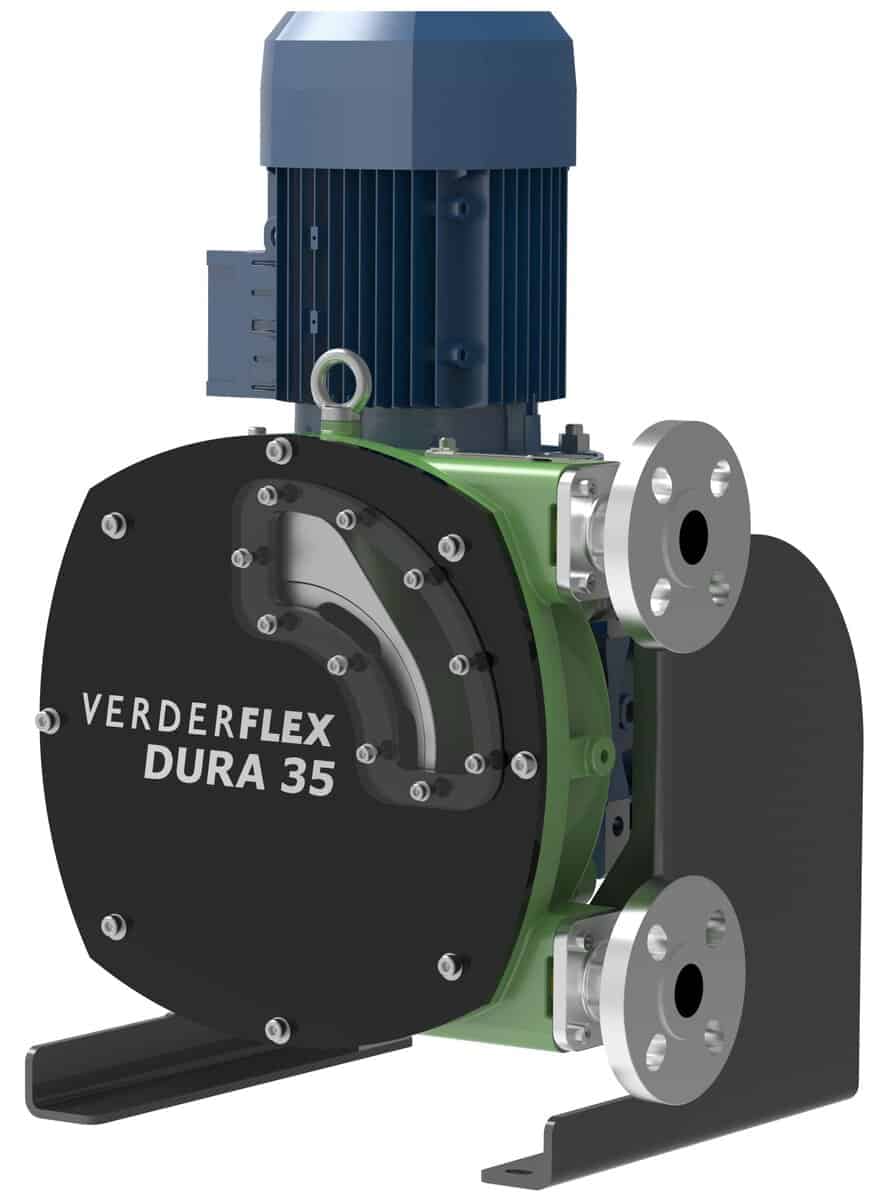
Wastewater treatment frequently involves pumping abrasive slurries, viscous chemicals and shear-sensitive fluids. Verderflex peristaltic pumps compress a reinforced hose to move fluid through the pump, isolating the pumped medium remains from mechanical components.
This design reduces maintenance, improves containment of hazardous chemicals and provides gentle handling of shear-sensitive polymer solutions. Because the hose is typically the primary wear component, maintenance remains predictable and straightforward.
Enabling reliable wastewater reuse
As water scarcity intensifies, wastewater reuse is an increasingly important component of sustainable water management. For engineers designing the next generation of treatment facilities, selecting fit-for-purpose pumping solutions is essential to achieving efficient, reliable and sustainable operations.
By enabling accurate chemical dosing, robust handling of difficult media and improved operational monitoring, modern pump technologies are helping transform wastewater into a valuable and reusable water resource, while safeguarding freshwater sources.