










The Cape Town Container Terminal unveils readiness plan for the 2026/27 deciduous fruit export season
The Cape Town Container Terminal (CTCT) is prepared for the start of South Africa’s 2026/27 deciduous fruit export season, with a range of operational improvements, additional capacity and new industry-agreed business rules aimed at supporting efficient cargo movement during one of the country’s most important export periods.

South Africa’s deciduous fruit exports, including table grapes, plums, peaches and apricots, originate from key production regions across the Western Cape before being exported primarily to European markets through Cape Town.
Following extensive engagements with customers, fresh produce industry stakeholders, Transnet leadership and Minister of Transport Barbara Creecy in August, a series of measures have been implemented to strengthen planning, protect the cold chain, reduce landside congestion and support the efficient flow of exports through the terminal.
Key initiatives for the 2026/27 season include:
- Recruitment of additional fixed-term employees to support seasonal demand.
- Enhanced leave management measures to ensure workforce continuity during the festive season.
- Deployment of backup resources from other terminals where required.
- Activation of a dedicated 24-hour operational hotline: 0861 204 485.
- Publication of a fixed weekly vessel schedule supported by a 21-day berthing plan, providing customers with greater visibility and planning certainty.
- A structured refrigerated container management process, including clearly defined stack opening and closure periods.
- Daily monitoring and publication of cargo delivery performance against plan.
- A formal process to manage exceptional late-arriving cargo.
- Coordinated protocols to manage weather-related disruptions and minimise supply chain impacts.
The new operating framework also introduces clear cargo readiness requirements. At least 95% of planned refrigerated container volumes must be delivered by stack closure to ensure vessels can commence cargo operations as scheduled.
A weather disruption lasting six hours or longer will trigger engagement with affected shipping lines and a review of the 14-day berth sequence. Revised berthing arrangements will be aligned with vessel readiness and cargo availability to minimise delays across the supply chain.
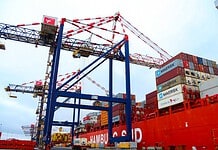
These measures are supported by significant investments in terminal capacity. The introduction of 28 new rubber-tyred gantry cranes and four straddle carriers has strengthened CTCT’s operational capability and is expected to improve productivity during the peak export period.
As part of its commitment to customer service and the execution of Transnet’s Reinvent for Growth Strategy, Transnet Port Terminals will continue to work closely with industry stakeholders to support a successful export season and ensure South African fruit reaches international markets efficiently and reliably.