











Why service support is a real differentiator in a cost-constrained market
It usually happens at the worst possible time.
The team is ready. The day’s work has been planned. Customers are waiting. Deadlines are tight. Then a machine that worked perfectly the day before refuses to start.
In that moment, downtime becomes very real. And very costly.
It’s not only the repair bill that matters. It’s the hours lost, the next job delayed and the customer who still expects delivery. For many South African businesses already under pressure, it’s another expense they didn’t plan for.
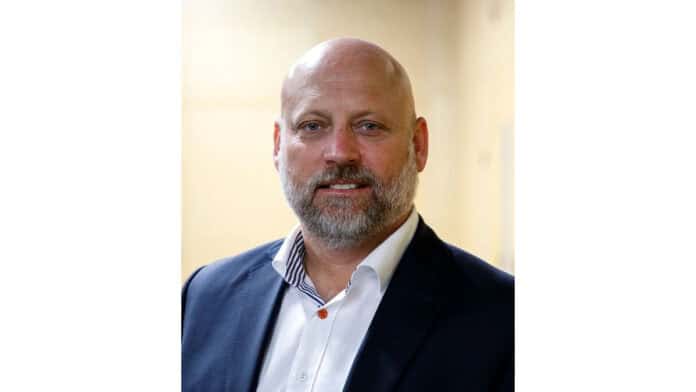
According to Pieter Smuts, Managing Director of Husqvarna South Africa, it’s the reason service support is now emerging as a critical differentiator in equipment buying decisions. “Downtime has never been more expensive,” says Smuts. “And when margins are tight, lost operating hours can actually outweigh a higher purchasing price for an item.”
Fuel prices, labour costs and general operating expenses also continue to place pressure on margins, and many commercial users such as landscapers, grounds maintenance teams and foresters are opting to keep machines for longer before replacing them. While this may help to manage costs, Smuts notes that it also makes maintenance, parts availability and after-sales support more important.
“When customers keep equipment for longer, servicing becomes critical,” he explains. “A well-maintained machine can continue delivering value, but small issues that are ignored can quickly become bigger, more expensive problems.”
This is influencing how customers define value. A lower upfront price may look attractive, but if a machine cannot be serviced quickly, if parts are difficult to source, or if support is limited, the true cost of ownership can be far higher over time.
Smuts highlights the following practical questions customers should be asking before buying outdoor power equipment:
- Can the machine be serviced locally?
- Are genuine parts readily available?
- Is there a dealer nearby who understands the product?
- What support is available if something goes wrong?
- How quickly can the machine be back in operation?
“These can no longer be afterthoughts,” he adds. “For professional users, downtime means delayed work, idle teams, missed deadlines and unhappy customers. That is why service support has become part of risk management, not just a support function.”
A strong dealer network helps reduce that risk. Dealers are often the first people customers turn to when they need advice, servicing or repairs. Their ability to respond quickly can directly affect how long a machine is out of use.
“For Husqvarna South Africa, what happens after the purchase is just as important as the product itself, Smuts emphasises. “The sale of a machine is only the beginning of the customer relationship, with ongoing service and support playing a critical role in long-term performance.”
“Customers need to know that support is available when they need it,” he says. “That includes trained technicians, knowledgeable dealers, access to the correct parts and advice that helps them get the best performance from their equipment.”
In a cost‑pressured market, cheaper alternatives to genuine parts can be tempting. However, Smuts warns that shortcuts often create higher costs later. “Original components are designed to work with the machine as intended,” he continues. “They help protect performance, reliability and safety.”
The same thinking applies to extended warranties. As customers keep equipment for longer, warranty support can offer peace of mind and help protect against unexpected costs. It also gives customers confidence that their asset is protected, and in today’s challenging market conditions, that kind of assurance is increasingly valuable.
Smuts believes customers are becoming more value-focused in terms of total cost of ownership. While price will always matter, it’s no longer the only measure of a good investment.
“The brands that will stand out are the ones that keep users operational,” he says. “It’s not just about selling a machine. It’s about supporting it throughout its working life and helping professionals protect their productivity.”
As operating costs continue to shape business decisions, service support is becoming central to business resilience. “Customers remember who was there when they needed help,” concludes Smuts. “That is why service support has become such a powerful differentiator. It gives people confidence, protects productivity and helps them get the best possible value from their equipment.”
If you would like to know more about Husqvarna products and services, go to https://www.husqvarna.com/za or visit your nearest dealership.