










Naamsa: SA vehicle exports to US collapse before tariffs
By Staff Writer
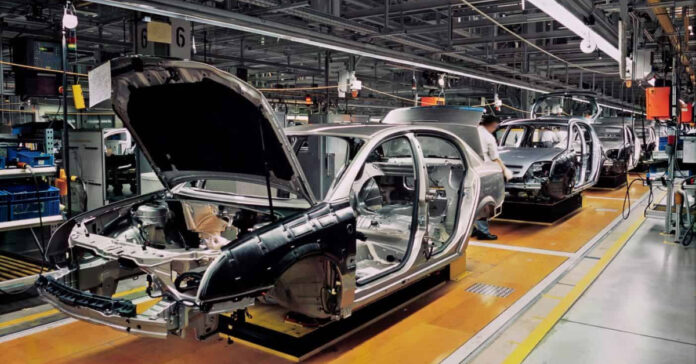
THE latest export numbers to the US showed that even before the introduction of the trade tariffs the industry was taking strain, as there was an 82,7% collapse from 9 574 in the second quarter of 2024 to 1 562 in the second quarter of 2025 in US exports.
This is according to Naamsa’s Quarterly Review Of Business Conditions: New Motor Vehicle Manufacturing Industry/Automotive Sector: 2nd Quarter 2025.
The collapse in vehicle exports underlined concerns by a trade and industry think tank that the local vehicle manufacturing industry could feel the brunt of the steep rise in US trade tariffs is already being borne out.
Trade & Industrial Policy Strategies (TIPS), an economic research institution, said in a policy brief that the sector, which exported R26 billion in assembled vehicles to the US in 2024, could see the 25% tariff rise drive away investment in the industry.
“The reciprocal tariffs on African automotive exports could deter foreign direct investment driven by US market opportunities. The higher costs of African-made vehicles in the US market will make production in Africa less appealing to investors targeting American consumers.”
Previously, under the African Growth and Opportunity Act, or AGOA, vehicles manufactured in SA could be exported into the US tariff-free. This has come to an end as a 25% tariff came into effect on 7 August 2025.
The local vehicle manufacturing industry has already felt the impact, with Ford Motor Company of Southern Africa, confirming last month that it was looking to cut 470 jobs at its Silverton car assembly plant in Pretoria, and at its Struandale engine plant in Gqeberha.
“These changes are part of our ongoing efforts to optimise production and respond to evolving market demands,” said in a statement to Reuters.
The reduction in staff came after Ford invested R15,8 billion in its manufacturing operation in 2021, which increased manufacturing capacity from 168 000 to 200 000. Aside from this investment, Ford also invested R600 million in its Struandale Engine Plant in 2021.
The industry is not blind to the danger, as was pointed out in Naamsa’s review.
“South Africa’s automotive industry has long depended on a thriving export engine to sustain production volumes and attract investment. However, the trade policy shifts at present, particularly from the US, pose a real challenge to that model,” it said.
Naamsa noted that lower production was already affecting employment. The average monthly vehicle manufacturing industry employment number for 2024 was 33 154 compared to the 33 509 in 2023.
“Employment in the vehicle manufacturing industry is generally linked to production and the decrease in employment in 2024 related to lower vehicle production and vehicle exports for the period under review.”
Naamsa pointed out that the new US tariffs will have a far-reaching impact on the local industry.
“South Africa’s as well as all other markets’ automotive exports to the US will now face material cost disadvantages, raising concerns about pricing competitiveness and profitability for multinational OEMs operating domestically.”
The tariff hike could also have an unnoticed knock-on effect. With 25 000 in annual vehicle exports to the US now under threat, Naamsa warned that the industry could be facing a secondary threat from other countries in a similar position, which would be competing with SA for alternative export markets.