









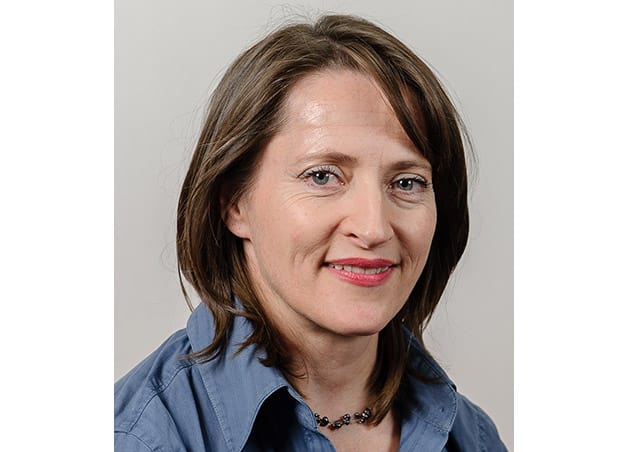
Alison Groves, Discipline Lead: Built Ecology, WSP in Africa
South Africa’s National Water Week (20 – 26 March), and World Water Day (22 March), coincide this year with uproar in Johannesburg as large swathes of the city have been facing recurrent water outages or low supply – not for days, but for months. The challenges that have led to this crisis include loadshedding, failing infrastructure, and climate change resulting in lower average Summer rainfall and unprecedented high temperatures.
A stark view of the country’s water crisis
In truth, though, South Africa has always been a water scarce country, receiving average rainfall of about 40% less than the annual world average. These recent challenges only exacerbate an already overstretched supply. A report released by the Institute for Security Studies in 2018 stated that: “More than 60% of South Africa’s rivers are currently being overexploited and only one-third of the country’s main rivers are in good condition.”
The report went on to explain several factors that would increase demand for water – including population growth, urbanisation and continued reliance on non-renewable energy – as well as intervention strategies to prevent a crisis by 2035. The report concluded that it would be possible for South Africa to reconcile its national-level water system, bring demand in line with available supply through policies to incentivise efficiency (such as tiered pricing), improve the quality of its water infrastructure (including wastewater treatment plants) and increase the amount of groundwater used in a sustainable manner. The report said, South Africa could not afford to delay the implementation of more aggressive water policies.
South Africa’s citizenry is often held at cause for the country’s water challenges. Statistics cited state that South African’s use 61,8% more water per day than the international average of 173 litres per person per day. And while it is true that South Africans could do more to conserve water and use it more responsibly, this statistic doesn’t quite paint the full picture. The Blue Drop Report 2023 found that 47% of all South Africa’s clean and treated water is lost through leaks and other factors before it ever reaches consumers. Furthermore, 46% of the country’s water supply systems pose acute human health risks, and 67.6% of all wastewater treatment works are close to failure. To call the situation a “crisis” is not an understatement.
Taking accountability
Urgent, systemic intervention is imperative. But we – individual South Africans – cannot let ourselves off the hook either. It is imperative that we take action in our own homes and businesses. But before installing JoJo tanks or drilling for borehole water at home, we must discuss the contrast with the country’s energy crisis. Where private households and businesses are now generating 5,200 MW of renewable energy with rooftop solar installations, taking a similar approach to the water crisis will have unintended, negative consequences.
This is because solar energy is abundant and renewable, while water is neither. Drilling a borehole removes water from the water table, leaving less of this finite resource behind to feed into the water system. Similarly, putting water storage tanks on private property to store municipal water for use during outages relieves the pressure on that property, but removes water from the system and does nothing to reduce the system’s time to recovery or prevent future outages.
Storing rainwater or harvesting grey water are better options, but they come with their own set of challenges. Energy can be generated and used immediately. Water needs to be treated before it is safe for human consumption. Most private businesses simply do not have the expertise to maintain potable water on premises, much less private citizens at home.
Even so, reusing grey water to flush toilets or water gardens is a good start. Active water conservation efforts are imperative in our homes and businesses. From promptly repairing leaking plumbing to planting water-wise gardens and taking shorter showers, we can all make improvements in one way or another.
Global standards
It is a mistake to think that water security is a small, localised problem in South Africa. A recent World Green Building Council (WorldGBC) report – compiled in partnership with industry leaders including WSP – indicates that South Africa is not an isolated case. Internationally, as much as 30% of treated drinking water is lost before it reaches a tap. Predictions are that there will be a 40% gap between global water supply and demand by 2030 – a mere six years from now.
This means that large scale systemic interventions are critical to resolving our water crisis. The same WorldGBC report showed that buildings and construction is estimated to be responsible for around 15% of the freshwater use internationally, so that assessing the role of the built environment in contributing to and mitigating this crisis is one such intervention.
The built environment is a major water user through all stages of the lifecycle. And, in the next four decades, we expect to see the largest wave of urban growth in human history – emphasising that the actions of the building and construction sector will be critical to mitigating the impact of the global water crisis. The built environment provides the physical infrastructure that forms the basis of our societies and economic development. A lack of water protection and preservation practices internationally has caused significant contributions from the sector to the global water crisis.
All stakeholders in the value chain, from suppliers to regulators, must recognise the urgency of this challenge, understand where the greatest risks and opportunities can be found across the lifecycle, and collaborate to develop and implement appropriate water strategies. To optimise resources, water management principles must guide the prioritisation of measures, starting by preventing unnecessary uses and promoting appropriate disposals without endangering human health or harming the environment.
In South Africa, much progress has been made towards building greener buildings and managing water resources more efficiently once the building is occupied. But as we face the stark reality of the crisis we face, we must continue to look for opportunities to do more.
WSP in Africa is hiring! To find out more about available opportunities, check out the Careers page on our website or look out for updates on our LinkedIn page, @WSPinAfrica.